Your Personalised Treatment Plan for Lower Back Pain
Lower back pain affects people in very different ways. Mainly because your spine has many moving parts all of which can be injured in various different ways.
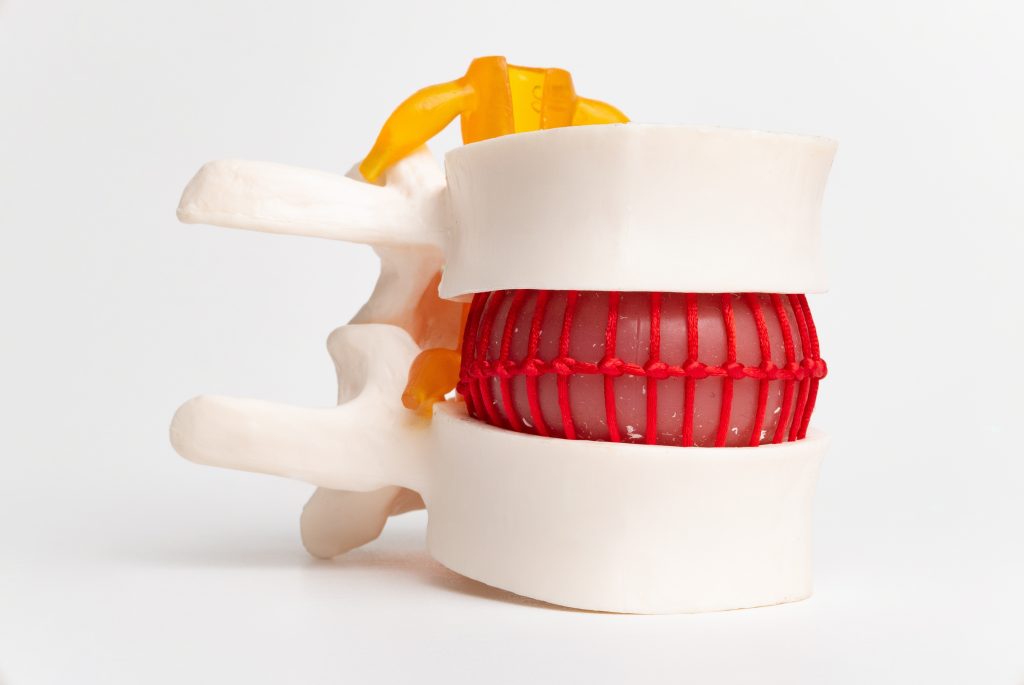
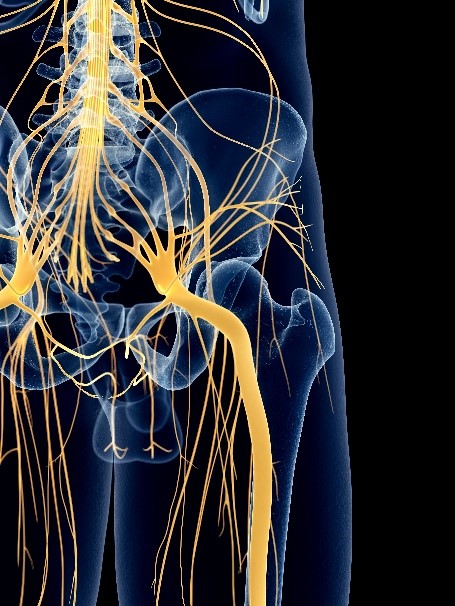
Your lower back contains vertebrae, intervertebral discs, joints, ligaments, muscles and nerves. These structures work together whenever you bend, lift, walk or change position.
| Structure | 🔢 Number | Main Job |
|---|---|---|
| 🦴 Vertebral segments | 33 | Support & protection |
| 🔵 Spinal discs | 23 | Cushion & absorb load |
| 💪 Muscles | @120 | Movement & support |
| 🔗 Ligaments | @220 | Stability & control |
| 🔄 Facet joints | 48 | Guide spinal movement |
| ⚡ Spinal nerve pairs | 31 | Carry nerve signals |
| 🧠 Spinal cord | 1 | Connects brain & body |
Frequently, there is no single structure that can be identified with certainty as a pain source. Clinicians often describe this as non-specific lower back pain. That does not mean the pain is imaginary or unimportant.
It means assessment has not identified a specific disease or a clearly established structural cause.
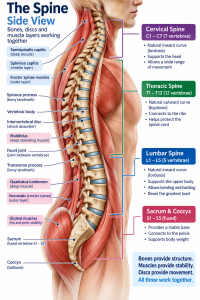
When things go wrong with this complex network of structures the effects on us are rather humbling. Getting out of bed, putting on your socks, sitting through a working day or enjoying a walk around the Peak District may become become a mission.
At Buxton & Bakewell Osteopathy Clinic, we specialise in diagnosing, treating, and preventing lower back pain using a combination of expert hands-on care and cutting-edge technology. Our clinics are recognised throughout Derbyshire and the Peak District for providing effective, evidence-based solutions that go far beyond quick fixes.•
Although two people may experience similar symptoms, the underlying causes of their back pain can be quite different. One person may have muscular or joint-related pain, while another may have a herniated disc, degenerative spinal changes or irritation of a spinal nerve.
Why Is a Personalised Treatment Plan Important?
Lower back pain is not a single condition.
It is a symptom that can develop from several structures within and around the spine, including muscles, ligaments, joints, discs and nerves.
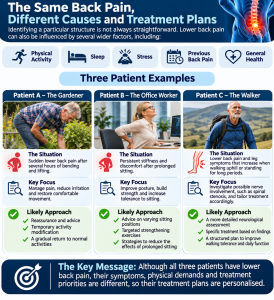
The aim is not simply to reduce pain, but to identify the factors contributing to your problem and develop a practical plan for recovery.
Understanding the Cause of Your Lower Back Pain
Before recommending treatment, we begin by considering the possible causes of your symptoms.
Some of the more common conditions encountered in clinical practice include:
| Possible Cause | How It May Affect You |
|---|---|
| 🦴 Facet Joint Pain | Localised back pain, stiffness and discomfort with certain movements. |
| 💪 Muscle Strain | Pain, tenderness, muscle guarding and difficulty moving comfortably. |
| 🟠 Herniated Disc | Lower back pain, sometimes accompanied by sciatica, tingling or numbness. |
| ⚡ Trapped Nerve | Pain, altered sensation or weakness extending into the leg. |
| 🚶 Spinal Stenosis | Leg symptoms that commonly worsen with standing or walking and improve with sitting. |
| 🔄 Degenerative Changes | Spinal stiffness and discomfort, although these changes are often present without pain. |
| 🦴 Sacroiliac Joint Pain | Pain around the lower back, pelvis or buttock. |
| 🧍 Spondylolisthesis | Lower back pain and occasionally symptoms associated with nerve irritation. |
Your Initial Clinical Assessment
| Assessment | What We Are Looking For |
|---|---|
| 🩺 Medical history | Your general health and previous back problems. |
| 💬 Symptom discussion | When pain started and what makes it better or worse. |
| 🦴 Spinal movement | Stiffness, movement restrictions and painful directions. |
| 💪 Muscle strength | Weakness or changes in muscle function. |
| 🔨 Reflex testing | Possible changes in spinal nerve function. |
| 🦶 Sensation testing | Numbness, tingling or altered feeling. |
| 🚶 Walking assessment | Changes in walking pattern, balance or tolerance. |
| 🤸 Functional testing | How bending, lifting, sitting and standing affect your symptoms. |
These findings help us form a clinical diagnosis and explain which treatment options may be appropriate.
Where necessary, we may recommend further medical assessment or imaging before proceeding with treatment.
What Influences Your Personalised Treatment Plan?
Several factors determine which treatments and rehabilitation strategies are likely to be most appropriate.
The duration of your symptoms
Recent lower back pain often behaves differently from persistent or recurrent pain.
During an acute episode, the initial priority may be helping you remain active within tolerable limits, managing discomfort and gradually restoring normal movement.
With persistent lower back pain, treatment may place greater emphasis on progressive strengthening, improving physical capacity and addressing factors that contribute to repeated flare-ups.
The severity of your symptoms
We consider your pain intensity, mobility, neurological symptoms and the effect of pain on daily activities.
A patient with mild stiffness may require a very different approach from someone experiencing severe pain, significant walking limitations or progressive leg weakness.
Your lifestyle and occupation
A person who works at a desk has different physical demands from someone employed in construction, farming or manual labour.
Similarly, someone who enjoys walking in the Peak District may need a rehabilitation programme that progressively prepares them for hills, uneven ground and longer distances.
Your personal goals
Your goals are central to treatment planning.
You may want to return to gardening, lift your grandchildren, cycle again, play golf, sleep comfortably or manage a full working day without persistent discomfort.
A successful treatment plan should focus on what you want to achieve, not simply on reducing a pain score.
Osteopathy as Part of Your Treatment Plan
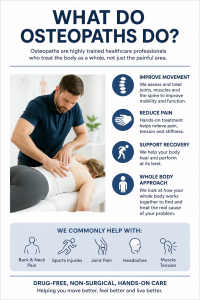
Osteopathy is one of the treatment approaches we may recommend for patients with mechanical lower back pain.
Treatment is selected according to your examination findings, preferences and clinical suitability.
Exercise Rehabilitation: Building a Stronger Back
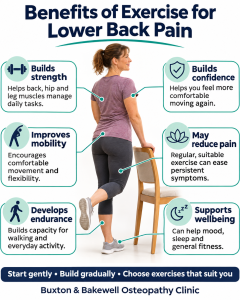
Exercise is an important part of many lower back pain treatment plans.
Although resting may seem sensible when your back is painful, prolonged inactivity can contribute to stiffness, reduced physical capacity and a loss of confidence in movement.
The right exercises depend on your symptoms, current abilities and personal goals.
For someone experiencing significant discomfort, rehabilitation may begin with simple movements and short periods of walking.
As symptoms become more manageable, the programme can gradually progress towards strengthening and more demanding functional activities.
When Might IDD Therapy Be Considered?
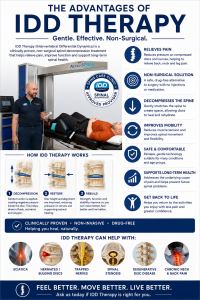
For selected patients, IDD Therapy may be considered as an additional treatment option.
IDD Therapy uses computer-controlled mechanical traction to apply a carefully regulated pulling force to the spine.
At Buxton & Bakewell Osteopathy Clinic, it may be discussed with patients experiencing symptoms associated with disc problems or certain forms of nerve irritation.
When Is an MRI Scan Necessary?
Many patients assume that an MRI scan is essential before treatment can begin.
In reality, most uncomplicated episodes of lower back pain do not require immediate imaging.
MRI scans are most useful when the findings are likely to influence clinical management.
At our clinic, MRI referrals are considered following an appropriate assessment and discussion of the reasons for imaging. We have an affordable and rapid MRI service.
A scan is not automatically necessary simply because back pain is severe or has been present for several weeks.
Monitoring Your Progress
As your symptoms change, we regularly review how well your treatment and rehabilitation programme is working.
This may involve monitoring:
| Area | What We Review |
|---|---|
| ⚡ Pain levels | Changes in pain intensity and frequency. |
| 🦶 Leg symptoms | Numbness, tingling or radiating pain. |
| 🚶 Walking ability | Distance, comfort and walking tolerance. |
| 💪 Strength | Improvements in muscle function and capacity. |
| 🤸 Mobility | Comfortable movement and functional flexibility. |
| 🏡 Daily activities | Your ability to work, sleep and enjoy hobbies. |
| 🏋️ Exercise progression | Whether your rehabilitation programme can be advanced. |
| 📋 Treatment response | Which treatments are helping and whether changes are needed. |
Recovery is not always a straight line.
Some patients experience steady improvement, while others have occasional flare-ups as their activity increases.
These fluctuations do not necessarily mean that treatment has failed or that further spinal damage has occurred.
If progress is slower than expected, we reconsider the diagnosis, review your treatment and discuss whether further investigation or a different approach is needed.
Recognising When Further Medical Assessment Is Needed
Although most lower back pain is not caused by a serious medical condition, certain symptoms require prompt attention.
Seek emergency medical assessment if you develop new difficulty passing urine, loss of bladder or bowel control, numbness around the genitals or saddle area, or rapidly worsening weakness in your legs
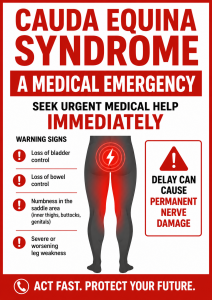
These symptoms can indicate serious nerve compression, including cauda equina syndrome.
New or progressive neurological weakness, unexplained systemic symptoms or back pain following significant trauma may also require urgent investigation.
.
Your Personalised Lower Back Pain Treatment Plan in Buxton and Bakewell
At Buxton & Bakewell Osteopathy Clinic, we understand how frustrating persistent lower back pain can be.
Whether your symptoms prevent you from walking comfortably, interfere with your sleep or make everyday activities difficult, our priority is to understand your individual circumstances.
We combine clinical assessment with evidence-informed treatment, rehabilitation and practical advice.
Where appropriate, we can also consider specialist treatment options and arrange further investigations.
Our aim is to provide a clear explanation of your condition and help you work towards realistic recovery goals.
We welcome patients from Buxton, Bakewell, Chapel-en-le-Frith, Tideswell, Matlock, the High Peak and surrounding Peak District communities.
Taking the Next Step
You do not need to wait until lower back pain becomes severe before seeking advice.
If your symptoms are recurring, limiting your mobility or preventing you from enjoying everyday activities, a clinical assessment can help clarify the possible causes and identify suitable treatment options.
Your back pain is individual. Your treatment plan should be too.
At Buxton & Bakewell Osteopathy Clinic, we aim to help you understand your symptoms, build confidence in movement and return to the activities that matter most.