Does your lower back feel stiff when you get out of bed? Do you struggle to straighten up after sitting, bend to put your socks on, or turn comfortably when reversing your car?
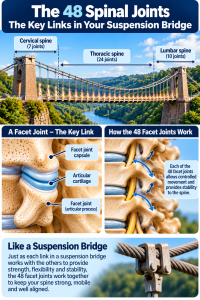
Your spine is like fluid suspension bridge with 48 joints, engineered to sway, absorb impact, and flex effortlessly with every shifting wind. In peak condition, the interlocking cables and joints glide in perfect harmony, letting you bend, twist, and reach without a second thought. Until it doesn’t!
I know the feeling! The once-supple joints feel seized up and in need of lubrication!
Instead of a fluid, living column, your back feels like the trunk of an ancient, unyielding oak tree. You no longer bend; you tilt. You no longer turn; you pivot your entire frame as a single, fragile block. The natural gait of your stride has been replaced by a cautious, mechanical calculation
Lower backs do not always cause sharp pain. Sometimes, the main symptom is a persistent feeling of tightness, restricted movement or difficulty getting going.
You may describe your back as “locked”, “seized up” or simply less flexible than it used to be. Everyday activities can become awkward, from gardening and housework to walking across the Peak District.
At Buxton & Bakewell Osteopathy Clinic, we assess lower back stiffness by looking at your symptoms, movement and general health. Understanding the pattern helps us recommend appropriate care and identify when further investigation is needed.
What Is Lower Back Stiffness?
Stiffness is the feeling that your back does not move as freely or comfortably as you expect.
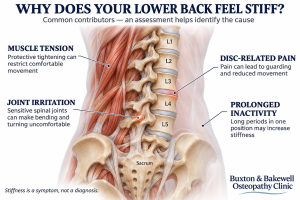
Feeling stiff does not always mean that your spine has lost a substantial amount of flexibility.
Stiffness is a symptom, rather than a diagnosis. Its cause cannot be identified from the sensation alone, and similar symptoms can have different explanations.
Several problems can cause similar symptoms. This table provides guidance rather than a diagnosis.
| Possible cause | Stiffness and associated symptoms |
|---|---|
| 💪 Muscle tension or strain | Tightness, tenderness or spasms. Bending, lifting and straightening up may feel uncomfortable. |
| 🪑 Prolonged sitting or inactivity | Stiffness after remaining in one position. The first few steps may feel restricted before movement becomes easier. |
| 🦴 Spinal joint irritation | Localised back pain and restricted movement. Turning or leaning backwards may be uncomfortable. |
| ⚙️ Osteoarthritis of spinal joints | Recurrent aching and stiffness, particularly after rest. Some movements may become less comfortable. |
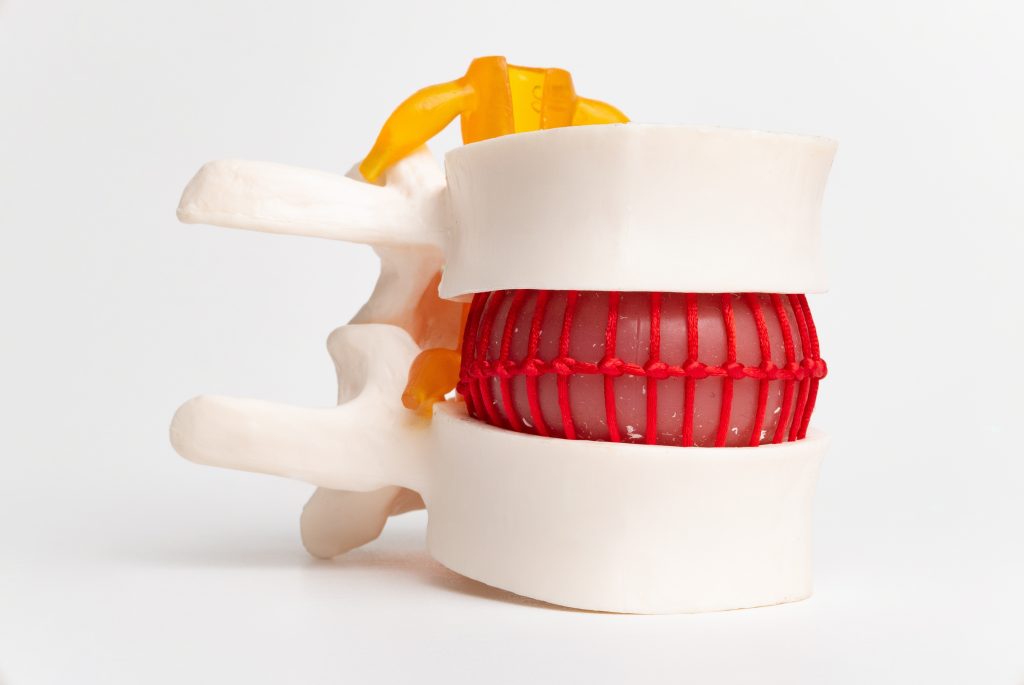
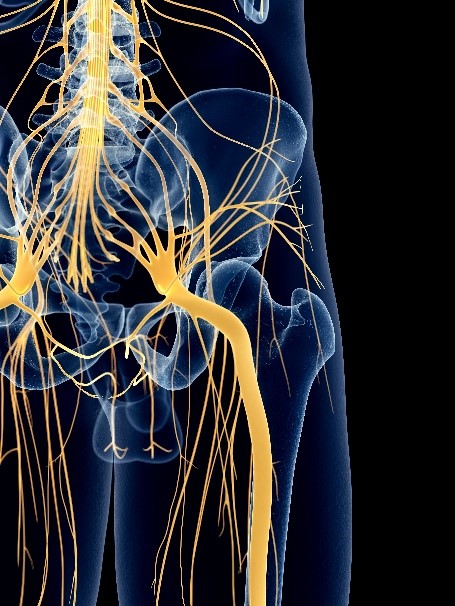
| 🧩 Disc-related pain | Stiffness with pain during sitting, bending or changing position. Nerve irritation may also cause leg pain, tingling or numbness. |
| 🚶 Hip stiffness or arthritis | Restricted hip movement, sometimes with groin or buttock pain. Walking, dressing and getting out of a chair may be difficult. |
| 🔥 Inflammatory spinal conditions | Persistent morning stiffness and night pain. Symptoms often improve with movement and worsen with rest. |
| 🛡️ Protective muscle guarding | A “locked” feeling as muscles tighten around a painful area. Movement may become cautious and restricted. |
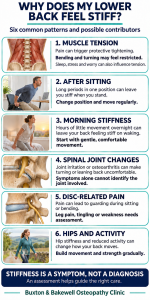
How Stiffness Affects Everyday Life
The effect of stiffness is often easier to understand through specific tasks.
| Everyday activity | What you may notice |
|---|---|
| 🌅 Getting out of bed | Moving slowly before you can stand comfortably |
| 🧦 Putting on socks | Difficulty reaching your feet |
| 🪑 Standing from a chair | Needing time to straighten up |
| 🚗 Driving | Discomfort after sitting or when turning |
| 🌱 Gardening | Difficulty bending, kneeling or changing position |
| 🚶 Walking | A restricted stride or aching over longer distances |
| 🛏️ Turning in bed | Tightness when rolling onto your side |
These patterns provide useful information, but none identifies a particular diagnosis by itself.
It also helps to explain what you have stopped doing, what you can still manage and what you most want to return to.
What Happens During an Assessment?
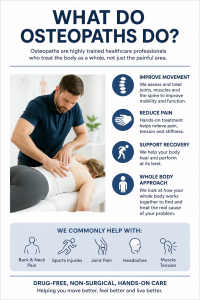
At Buxton & Bakewell Osteopathy Clinic, assessment begins with a detailed conversation.
We ask when the stiffness started, whether there was an injury, how symptoms change throughout the day and which movements are difficult.
Your medical history, medication, previous episodes and general health are also relevant.
The examination may include observing walking, checking spinal and hip movement, and assessing strength or sensation when indicated.
We also consider signs that suggest you need a GP assessment, urgent care or further investigation.
The aim is to develop a useful working explanation and an appropriate plan. Sometimes, it is not possible or necessary to identify one exact tissue responsible for uncomplicated back pain.
Will You Need an MRI Scan?
Almost all people with uncomplicated lower back stiffness do not need an MRI. We offer fast and affordable MRI scans.
Scans can reveal age-related findings that may not explain the symptoms. An image also cannot show every factor influencing pain, muscle guarding or confidence in movement.
A scan can be appropriate in selected circumstances, rather than simply because stiffness has occurred.
Your clinical history and examination help determine whether imaging or referral would add useful information.
| Situation | When an MRI may help |
|---|---|
| 🪑 Stiffness without warning signs | Usually unnecessary initially. Clinical assessment and appropriate care generally come first. |
| 📅 Persistent symptoms despite treatment | May be considered after reassessment if the findings would guide a different treatment. Duration alone does not make a scan necessary. |
| ⚡ Persistent sciatica or suspected nerve compression | May help identify nerve compression when a specialist is considering an injection or surgery. |
| 🦵 New or worsening leg weakness or foot drop | Requires urgent medical assessment. MRI may be needed to investigate nerve compression. |
| 🔥 Suspected inflammatory spinal disease | A specialist may request MRI of the sacroiliac joints and/or spine as part of further investigation. |
| 🦴 Suspected spinal fracture | Prompt assessment and imaging may be needed. X-rays or CT may be more appropriate initially; MRI can provide additional information. |
| 🩺 Suspected spinal infection | Urgent medical assessment is needed. MRI may help investigate concerning findings from the history and examination. |
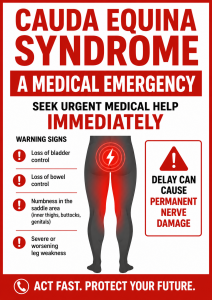
| 🚨 Possible cauda equina syndrome | Emergency hospital assessment and MRI may be required. Warning signs include new bladder or bowel problems or numbness around the genitals or anus. |
How Can Osteopathy Help?
Osteopathic care may include gentle joint mobilisation, soft tissue techniques and advice about comfortable movement.
For some people, manual therapy helps ease symptoms sufficiently to make daily activity and exercise more manageable. The approach should reflect your preferences, health and examination findings.
Treatment should support an active recovery plan. NICE recommends considering manual therapy for lower back pain only within a package that includes exercise.
Your plan might therefore combine hands-on care with movement practice, progressive strengthening and changes to how you manage demanding tasks.
We review progress against practical goals, such as walking further, dressing more easily or returning to gardening.
Rebuilding Comfortable Movement
Exercise should be matched to your starting point.
Someone recovering from a recent painful episode may begin with short walks and gentle movements. Someone with persistent symptoms may benefit from a broader programme that develops strength and endurance.
There is no single exercise that suits every stiff back. The right choice depends on your symptoms, capabilities and goals.
Progress may involve increasing how often you move before increasing distance, resistance or duration.
For example, several manageable walks may be a better starting point than one long outing that leaves you struggling afterwards.
Your programme should be reviewed if symptoms worsen, new leg symptoms appear or an exercise repeatedly causes difficulty.
Practical Changes at Home and Work
Small adjustments can make movement easier to maintain.
Break up stationary time. Change position regularly during desk work, driving breaks or evenings on the sofa.
Spread demanding tasks out. Divide gardening, cleaning and DIY into shorter periods, particularly when returning after a flare-up.
Prepare for activity. Begin with a gentler version of the task before heavier work or a longer walk.
Support comfortable sleep. Choose a position and pillow arrangement that helps you rest; there is no universally correct sleeping position.
Consider gentle warmth. A wrapped heat pack may offer temporary comfort. Protect your skin and take particular care if sensation is reduced.
Avoid forcing a stretch simply because your back feels tight.
What Does Recovery Look Like?
Improvement is often uneven.
You may move more freely one day and feel stiffer after a poor night’s sleep or a demanding afternoon. A temporary fluctuation does not automatically mean that you have caused damage.
Useful signs of progress include getting dressed more easily, recovering faster after activity and feeling less apprehensive about bending.
Complete absence of stiffness is not the only meaningful outcome. Being able to do more with manageable symptoms can also represent worthwhile progress.
If improvement stalls, your plan may need adjusting. Persistent or changing symptoms should prompt reassessment rather than repeatedly continuing an approach that is not helping.
When Should You Seek Medical Help?
Lower Back Stiffness Support in Buxton and Bakewell
Whether stiffness is affecting your morning routine, your working day or your enjoyment of the Peak District, understanding the pattern is a useful first step.
At Buxton & Bakewell Osteopathy Clinic, we help patients explore what is limiting movement and develop a plan suited to their needs.
That may involve osteopathy, tailored rehabilitation, practical advice or referral when appropriate.
If lower back stiffness is making everyday life difficult, contact the clinic to arrange an assessment. Our aim is to help you move more comfortably, manage symptoms with greater confidence and work towards the activities that matter to you.