Common Causes, Symptoms and Impact on Daily Life
Tennis elbow and golfer’s elbow are two of the most common tendon pain conditions seen in general practice, sports medicine and osteopathy clinics — especially here in Buxton, Derbyshire and the Peak District.
Despite their names, these conditions aren’t limited to racket sports or golf — they’re caused by repetitive stress and strain on the tendons around the elbow and forearm. Everyday activities like DIY, gardening, lifting, typing or manual work can all trigger or exacerbate symptoms.
-
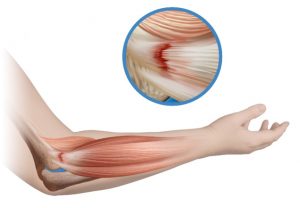
Tennis Elbow (Lateral Epicondylitis): Pain on the outside of the elbow where the forearm extensor tendons attach. This pain often worsens with gripping, twisting, and lifting movements.
-
Golfer’s Elbow (Medial Epicondylitis): Pain on the inside of the elbow, where the wrist flexor tendons join the bone. This is frequently aggravated by wrist flexion, squeezing and bending movements.
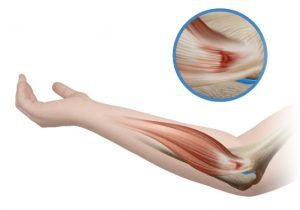
Both conditions can severely restrict everyday function — from turning keys and opening jars to lifting objects and returning to sport or work.
Why Shockwave Therapy Works
A Non-Invasive, Highly Effective Approach
Traditional approaches to tennis elbow and golfer’s elbow often include rest, activity modification, physiotherapy, stretching and strengthening exercises, braces or straps, and sometimes medications or injections.
While many people improve with conservative care, chronic or stubborn cases can linger for months or years if the tendon doesn’t heal properly.
This is where shockwave therapy shines.
Shockwave therapy (sometimes referred to clinically as Extracorporeal Shock Wave Therapy (ESWT)) uses acoustic energy waves to stimulate healing in injured tissues. These high-energy waves trigger a biological response that encourages:
-
Increased local blood flow (neovascularisation)
-
Stimulation of cell activity and collagen production
-
Breakdown of scar tissue and adhesions
-
Reduction of pain signals to the nervous system
-
Promotion of natural tendon healing responses
These effects make shockwave therapy an increasingly popular choice for stubborn tendinopathy, with substantial clinical evidence supporting its use.
Radial vs Focused Shockwave. What’s the Difference?
Understanding that there are different types of shockwave therapy helps you make an informed choice about treatment:
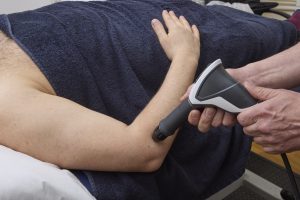
Radial Shockwave Therapy (r-ESWT)
-
Delivers pressure waves radiating outward from the applicator tip.
-
Generally used for more superficial tendon problems near the skin’s surface.
-
Excellent for larger coverage areas and more diffuse pain patterns.
-
Studies show radial shockwave therapy effectively reduces pain and improves function in tennis elbow, particularly in less deep or acute presentations.
Focused Shockwave Therapy (f-ESWT)
-
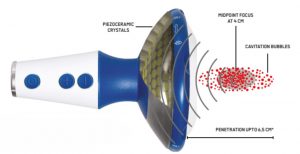
Delivers concentrated acoustic waves that penetrate deeper into tissues.
-
Ideal for deep tendon injuries and chronic conditions, including tennis elbow and golfer’s elbow.
-
Tends to offer more precise targeting of pathological tissue.
-
Research suggests focused shockwave may provide slightly superior pain relief and longer-lasting improvement, particularly in chronic cases.
Which One Is Best?
Both radial and focused shockwave are effective. Some studies show comparable short-term improvements in pain and function with both modalities. However, deeper penetration with focused shockwave may offer advantages in resolving chronic tendon irritation and deeper pathology.
At Buxton & Bakewell Osteopathy Clinic, we tailor the choice based on:
-
Your symptom duration
-
Depth and location of tendon involvement
-
Response to previous treatments
Often, a combined approach can be beneficial — using radial waves for broader stimulation and focused waves for deeper, chronic tissue change.
Top Benefits of Shockwave Therapy for Elbow Tendinopathy
Shockwave therapy offers significant advantages over many other treatments — especially for patients in Derbyshire who have already tried more conventional approaches:
1. Non-Invasive and Safe
There’s no surgery, no injections, and no need for anaesthesia. Sessions are carried out quickly in-clinic, and most patients can resume normal activity straight away with minimal downtime.
2. Effective Pain Reduction
By interrupting pain signal pathways and promoting healing at a physiological level, shockwave therapy reduces pain without relying on painkillers or long courses of drugs.
3. Enhanced Healing at the Tissue Level
Shockwaves stimulate blood vessel formation and tendon repair — processes that conventional therapies (like rest or ice) can’t directly activate. This turns the injured tendon from a chronic, degenerative state toward recovery.
4. Improved Function and Strength
As pain reduces and tissue quality improves, patients frequently report stronger grip strength, better wrist control, and greater functional use of the arm.
5. High Success Rates for Challenging Cases
Clinical evidence supports shockwave therapy as an effective option for people who haven’t improved with rest, physiotherapy or injections, especially in chronic cases.
6. Reduced Need for Injections or Surgery
In many cases, shockwave therapy precludes the need for corticosteroid injections or surgical referral, offering a less invasive path to recovery.
What to Expect from Treatment at Buxton & Bakewell Osteopathy
At Buxton & Bakewell Osteopathy Clinics (serving Buxton, Bakewell, Chesterfield, Matlock and the wider Derbyshire region) we follow an evidence-based approach. Your treatment journey might include:
-
Comprehensive Assessment:
Detailed evaluation of your symptoms, activity patterns, and biomechanical factors. -
Shockwave Therapy Sessions:
Typically delivered once a week over 3–6 sessions, depending on severity and response. -
Rehabilitation Support:
With personalised exercises, manual therapy and ergonomic advice to support long-term tendon health. -
Follow-Up and Progress Monitoring:
Regular reassessments to refine treatment and prevent recurrence.
Each session is conducted by experienced practitioners dedicated to eliminating pain and restoring function.
Is Shockwave Therapy Right for You?
Shockwave therapy is especially suitable if:
-
You’ve had persistent elbow pain for 6 weeks or longer
-
Previous treatments offered limited or temporary relief
-
You want a drug-free and non-surgical option
-
You prefer evidence-based care that focuses on natural healing
While extremely beneficial for many, shockwave therapy isn’t suitable for everyone. A full assessment ensures it’s safe and appropriate, particularly if you have underlying medical conditions, injuries, or certain sensitivities.
Frequently Asked Questions
Q: How long does each session take?
Each session typically lasts 10–20 minutes, depending on the treatment plan and severity.
Q: Will it hurt?
Some mild discomfort can occur during treatment (especially over very irritated tendon tissue) but it’s generally well-tolerated. Many patients describe it as a pressure sensation rather than painful.
Q: How quickly will I see results?
Many people notice pain reduction within a few sessions, with continued improvement over the course of treatment.
Q: Can I return to work or sports after treatment?
Yes. Most patients can resume normal daily activities immediately after treatment, with guidance on load-management and rehabilitation exercises.
Final Thought
If you’re struggling with persistent tennis elbow or golfer’s elbow pain, shockwave therapy offers a highly effective, non-invasive solution grounded in evidence and clinical success.
At Buxton & Bakewell Osteopathy, we’ve helped countless patients in Buxton, Derbyshire and beyond overcome chronic tendon pain — restoring function, reducing pain, and helping you get back to the activities you love.