Elbow injuries are common and can occur through everyday activities, sports, work-related tasks or sudden accidents. At Buxton & Bakewell Osteopathy Clinic, we specialise in diagnosing, treating and rehabilitating elbow problems using gentle hands-on osteopathy and advanced treatment options to help reduce pain, restore movement and speed recovery. Whether you’re dealing with a strain, dislocation or chronic tendon injury, our team has the expertise and tools to support you back to full function.
In this article we’ll cover:
-
What elbow injuries are
-
Symptoms to look for
-
How osteopathy can help
-
Advanced treatment options available at our clinic
-
When to book an assessment
Understanding Elbow Anatomy and Common Bony Injuries
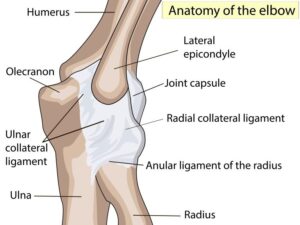
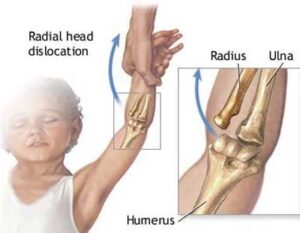
The elbow is a complex joint formed mainly by the humerus (upper arm bone) and the two forearm bones — the radius and ulna. This joint allows us to bend, straighten, rotate and perform most functional tasks of daily life. Injuries involving the bones of the elbow, such as fractures or partial dislocations, often occur after falls, impact injuries or sudden forceful twists.
Common bony injuries include:
-
Radius and ulna fractures – breaks in the forearm bones
-
Partial joint dislocations – where the forearm bone slips out of place
-
Subluxations – partial displacement of joint surfaces
-
Growth plate injuries in children – especially with falls
-
Olecranon (bony tip at the back of the elbow) injury
These injuries can cause pain, swelling, restricted motion, and sometimes deformity or instability in the joint. Prompt and accurate assessment is essential to prevent long-term issues.
Typical Symptoms of Elbow Injuries
While symptoms vary depending on the type and severity of injury, common presentations include:
-
Pain when rotating or bending the elbow
-
Tenderness over the bone or joint line
-
Swelling and bruising around the elbow
-
Difficulty gripping, lifting or turning objects
-
A feeling of instability or weakness
-
Reduced range of motion
If you’ve had a recent trauma — for example a fall or knock onto the elbow — and are experiencing these symptoms, a professional assessment is strongly recommended.
How Osteopathy Helps Elbow Injuries
Osteopathy is a hands-on musculoskeletal healthcare approach that focuses on restoring joint mobility, relieving soft tissue tension and addressing the root cause of symptoms rather than just masking pain. In the UK, osteopaths are regulated healthcare professionals trained in assessing and managing conditions affecting bones, muscles and joints.
At Buxton & Bakewell Osteopathy Clinic, our osteopaths take a thorough, person-centred approach:
1. Detailed Assessment
We start with a full clinical assessment of your elbow, forearm and related areas such as the shoulder and neck. This helps determine whether pain arises directly from a bony injury, a tendon problem (like tennis or golfer’s elbow), referred pain from the shoulder or neck, or a combination of factors.
2. Gentle Hands-On Treatment
Osteopathic techniques include:
-
Joint mobilisation to improve movement
-
Muscle energy techniques to reduce tightness
-
Soft tissue massage to ease discomfort
-
Stretching to increase flexibility
-
Functional advice to prevent recurrence
This manual care helps reduce pain and improve mobility while encouraging the body’s natural healing processes.
3. Whole-Body Approach
Elbow pain isn’t always localised — dysfunction in the neck, shoulder or wrist can cause or worsen elbow problems. Our osteopaths assess and treat the entire kinetic chain, helping to identify contributing factors and prevent future injury.
Advanced Treatment Options at Our Clinic
We combine traditional osteopathy with advanced therapies to optimise outcomes for stubborn, chronic or complex conditions around the elbow.
Shockwave Therapy for Tendon Injuries
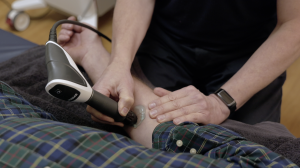
Tendon issues such as tennis elbow (lateral epicondylitis) and golfer’s elbow (medial epicondylitis) are common overuse injuries that cause significant pain and limitation. Shockwave Therapy is a non-invasive treatment that uses acoustic pressure waves to stimulate healing in damaged tendon tissue and promote recovery.
Benefits include:
-
Reduced pain and inflammation
-
Promoted tissue repair
-
Avoidance of invasive treatments or steroid injections
-
Fast results in many cases
Our Elbow Care Program integrates Shockwave Therapy with osteopathic treatment and personalised advice, helping you return to everyday activities and sport.
IDD Therapy for Nerve or Disc-Related Referred Pain
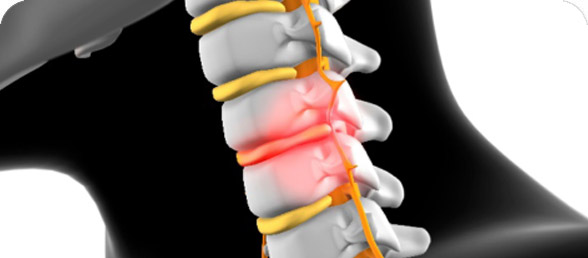
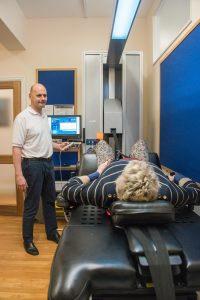
In some cases, nerve irritation in the neck or upper spine can refer pain down the arm into the elbow. IDD Therapy is a gentle traction-based treatment ideal for addressing mechanical nerve issues, reducing pressure and improving nerve function.
When to Seek Immediate Care
While osteopathy is excellent for many musculoskeletal presentations, some symptoms require urgent medical attention, including:
-
Obvious deformity after trauma
-
Inability to move or straighten the arm
-
Numbness or loss of circulation
-
Severe swelling or intense pain
If you experience these, please contact your GP or local urgent care service before booking an osteopathy appointment.

Why Choose Buxton & Bakewell Osteopathy Clinic?
We’re proud to offer expert care right here in Buxton and Bakewell, Derbyshire, with:
-
Highly experienced osteopaths trained in advanced musculoskeletal care
-
A combination of hands-on osteopathy and evidence-based therapies
-
Late evening and weekend appointments available
-
A patient-focused environment with tailored rehabilitation plans
Whether your injury is new or longstanding, we’re here to help you recover safely and effectively.
Frequently Asked Questions About Elbow Pain
Q1: Can an osteopath treat tennis elbow?
Yes. Osteopaths use hands-on techniques, rehabilitation exercises and Shockwave Therapy to reduce tendon pain and improve healing in tennis elbow.
Q2: How long does elbow pain take to heal?
Mild elbow strains may improve in a few weeks. Chronic tendon injuries can take 6–12 weeks depending on severity and treatment.
Q3: Do I need an X-ray for elbow pain?
If there has been trauma, severe swelling or deformity, imaging may be required. Your osteopath can assess and refer if necessary.
Q4: Is Shockwave Therapy effective for golfer’s elbow?
Yes. Shockwave Therapy stimulates blood flow and tissue repair and is highly effective for chronic tendon conditions.
Q5: When should I see an osteopath for elbow pain?
If pain persists longer than 1–2 weeks, limits daily activities, or keeps recurring, an assessment is recommended.
Book Your Elbow Injury Assessment Today
Don’t let elbow pain or dysfunction slow you down. Early assessment and tailored care can often prevent long-term problems and help you get back to your best function sooner.
📞 Call us on 01298 214994 to arrange an appointment at our Buxton or Bakewell clinic.
📍 Serving communities across Buxton, Bakewell, High Peak and surrounding areas with comprehensive osteopathy care.