If you’re reading this, you’re likely searching for answers about persistent neck pain, arm pain or nerve symptoms—or you’re looking for a safe and effective treatment available right here in Buxton, Bakewell and the Derbyshire area.
At Buxton & Bakewell Osteopathy Clinic, we see many patients with trapped nerves in the neck, often caused by disc problems or degenerative changes in the cervical spine. These issues can lead to debilitating pain, pins and needles, weakness and loss of function that impacts work, sleep and everyday life.
Fortunately, modern treatment options such as IDD Therapy offer a non-surgical and advanced approach that can bring lasting relief — without the risks and downtime associated with surgery.
In this comprehensive guide, we’ll explain:
-
What a trapped nerve in the neck really is
-
Common causes and symptoms
-
How healthcare professionals diagnose nerve compression
-
Conventional treatment options
-
Why IDD Therapy may be the best choice for many people
-
What to expect at Buxton & Bakewell Osteopathy Clinic
What Is a Trapped Nerve in the Neck?
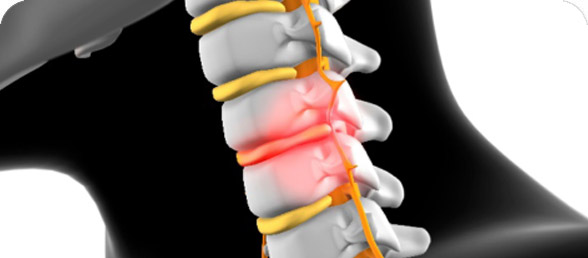
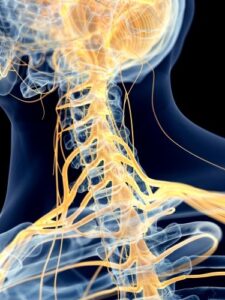
A “trapped nerve” (often referred to as a pinched nerve or cervical radiculopathy) occurs when the nerve roots that exit the neck (cervical spine) are irritated or compressed. This is most often due to pressure from adjacent spinal structures, especially the intervertebral discs that sit between each vertebra.
Your cervical spine (the top part of the spine that supports your head) is made up of seven vertebrae (C1–C7). These vertebrae, along with discs, joints and ligaments, work together to allow movement while protecting the spinal cord and nerve roots.

Key anatomical levels where trapped nerves commonly occur are:
-
C4/C5
-
C5/C6
-
C6/C7
These levels support much of your head’s weight and are therefore more prone to degeneration and injury.
What Causes Neck Nerve Compression?
A trapped nerve usually stems from one or more structural problems:
1. Bulging or Herniated Cervical Discs
Discs act as shock absorbers between the spinal bones (vertebrae). When a disc bulges or herniates, it can press on nerve roots, leading to pain and neurological symptoms down the arm.
- Bulging disc: The disc bulges outward but its inner material remains contained.
- Herniated disc: The inner nucleus breaks through the outer annulus, potentially pressing directly on a nerve.
This is often described as a “slipped disc”, but medically, true disc herniation involves protrusion of the disc material.
2. Degenerative Disc Disease
As we age, spinal discs naturally lose water content and elasticity. Over time, this degeneration can reduce space between vertebrae, cause inflammation and contribute to nerve compression.
3. Spinal Stenosis
This refers to a narrowing of the spinal canal or nerve exit channels. Bone spurs and degenerative changes (especially in older adults) can crowd nerve roots, leading to symptoms.
4. Facet Joint Arthropathy
The facet joints guide and stabilise spinal movement, but arthritis or joint wear can reduce space around nerves, causing irritation.
5. Trauma or Injury
Sudden injury — such as whiplash or a fall — can place rapid stress on cervical discs and joints, increasing the risk of nerve impingement.
Common Symptoms of a Trapped Nerve in the Neck
Symptoms vary depending on the nerve root affected but often include:
Pain
-
Sharp or burning pain near the neck
-
Pain that radiates into the shoulder, arm or hand
Pins & Needles (Paraesthesia)
-
Tingling sensations in the arm, forearm, hand or fingers
Numbness or Weakness
-
Reduced strength in the arm or hand
-
Difficulty gripping objects
Loss of Coordination
-
Fine motor tasks feel more difficult
Symptoms may be constant or intermittent — and often worsen with certain neck movements or when sitting at a desk or driving.
Diagnosing a Trapped Nerve
A thorough assessment is vital to determine the cause of your symptoms and tailor the most appropriate treatment.
At Buxton & Bakewell Osteopathy Clinic, your assessment usually includes:
-
Detailed history: Understanding when symptoms started and what aggravates or eases them
-
Physical examination: Assessing movement, strength, reflexes and neurological signs
-
Posture and biomechanical analysis
-
Imaging recommendations: Such as MRI or X-ray if nerve compression is suspected
Early and accurate diagnosis helps prevent chronic progression and maximises treatment success.
How Trapped Nerves Are Usually Treated
There are several treatment options, ranging from conservative care to surgery.
1. Manual Osteopathy and Physiotherapy
These hands-on approaches can be highly effective for mild to moderate nerve irritation, especially in combination with strengthening and stretching exercises.
2. Pain Medication & Anti-Inflammatories
Used to manage symptoms, but don’t address the underlying structural cause.
3. Steroid Injections
May provide temporary relief for inflammation but also don’t fix the root mechanical issue.
4. Surgery
Considered a last resort when conservative care doesn’t help or when neurological deficits are severe.
Why IDD Therapy is a Breakthrough for Trapped Nerves
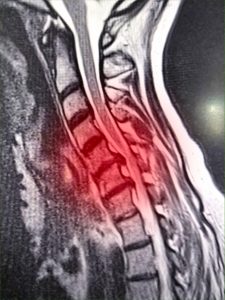
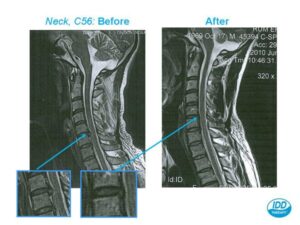
At Buxton & Bakewell Osteopathy Clinic we offer IDD Therapy, an advanced, non-invasive form of spinal decompression that bridges the gap between manual therapy and surgery. An example can be seen below of a trapped nerve in the neck before and after IDD Treatment using MRI
What Is IDD Therapy?
IDD Therapy (Intervertebral Differential Dynamics) is a specialised, computer-controlled treatment that gently decompresses targeted spinal segments to:
-
Reduce pressure on spinal discs
-
Reduce pressure on nerve roots
-
Improve fluid exchange and nutrient flow around discs
-
Promote natural healing mechanisms in the spine
Unlike traditional traction, IDD Therapy uses precisely measured angles and distraction forces tailored to your specific problem — which means it can isolate the exact level where you have a nerve compression.
Benefits of IDD Therapy
IDD Therapy offers many advantages over conventional care:
🔹 Non-surgical and drug-free
🔹 Pain-free, gentle treatment
🔹 Targeted nerve decompression (not general traction)
🔹 Improved mobility and reduced stiffness
🔹 May avoid the need for surgery in many cases
Of note, some clinical studies report that a high percentage of patients recommended for surgery experience significant improvement or avoid surgery altogether after IDD Therapy.
What to Expect with IDD Therapy at Our Clinic
Your IDD Therapy programme is tailored to your clinical presentation and response to treatment. Here’s what typically happens:
Initial Consultation
We assess your history, symptoms and examination findings.
Treatment Planning
Your therapist creates a customised protocol based on the exact spinal level(s) involved.
IDD Therapy Sessions
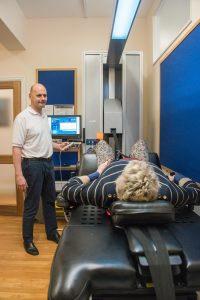
These are delivered on a specialised decompression system that gently separates spinal segments, reduces nerve pressure and encourages healing.
Monitoring & Progress
We track your response each session to adapt your treatment plan and maximise results.
Many patients notice improvement within the first few weeks, with continued gains as the course progresses.
Real-World Outcomes Patients Experience
People with trapped nerves often tell us:
-
Their neck pain has eased
-
Pins and needles are reduced
-
They can sleep better
-
They have improved arm strength and function
-
They can return to daily activities with less discomfort
These outcomes speak to the power of combining manual osteopathy with advanced IDD Therapy.
Frequently Asked Questions
Is IDD Therapy safe?
Yes — it’s non-invasive, gentle and generally well-tolerated by most patients.
Does it hurt?
No — most people find it relaxing and comfortable.
How long are sessions?
IDD sessions usually last about 25–45 minutes.
How many sessions will I need?
This varies by case — common courses range from several weeks to a few months depending on severity and response.
Why Choose Buxton & Bakewell Osteopathy Clinic?
We are a trusted local clinic serving Buxton, Bakewell, Matlock, Ashbourne, and surrounding Derbyshire communities. Our team combines traditional hands-on osteopathic care with advanced technology like IDD Therapy to deliver high-quality, evidence-informed treatment.
We focus on:
✔ Accurate diagnosis
✔ Personalised treatment plans
✔ Long-term relief — not just temporary fixes
✔ Patient education and functional recovery
Take the First Step to Lasting Relief
If you’re struggling with persistent neck pain, arm pain or nerve symptoms — you don’t have to suffer in silence. Book a consultation at Buxton & Bakewell Osteopathy Clinic to learn how our expert team can help.
Call us today at 01298 214994 or book online to start your journey to a pain-free life.