Shin splints are one of the most common causes of lower leg pain, particularly among runners, walkers, hikers, and active individuals. Here in Derbyshire and the Peak District, where hill walking, running and uneven terrain are part of everyday life, shin splints are something we see regularly at our clinic.
If you experience aching, tenderness or sharp pain along the front or inner edge of your shin bone during or after activity, you may be dealing with shin splints — clinically known as medial tibial stress syndrome. While the condition is common, it should never be ignored, as continuing to train through the pain can lead to more serious injuries.
The good news is that with the right diagnosis and treatment approach, shin splints respond very well. This article explains what shin splints are, why they occur, how to recognise the symptoms, and the most effective treatment options available locally in Buxton, Bakewell and across Derbyshire.
What Are Shin Splints?
Shin splints describe pain that develops along the tibia (shin bone), usually on the inner edge but sometimes along the front of the leg. The pain comes from irritation of the muscles, tendons and connective tissue that attach to the tibia.
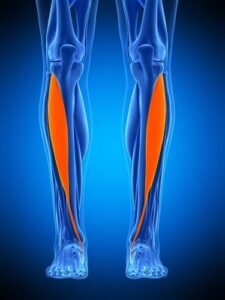
Rather than being a single injury, shin splints are an overuse condition caused by repetitive stress on the lower leg. Each time your foot strikes the ground, force travels up through the ankle, shin and knee. When the tissues cannot adapt quickly enough to this load, pain develops.
Shin splints commonly affect:
-
Runners (especially beginners or those increasing mileage)
-
Hill walkers and hikers
-
Footballers and court-sport athletes
-
Gym-goers
-
Military recruits
-
People who spend long hours standing or walking on hard floors
Common Causes of Shin Splints
Shin splints rarely have just one cause. Instead, they usually develop due to a combination of biomechanical and training factors.
1. Sudden Increase in Activity
A rapid increase in running distance, speed, hill work or training frequency is one of the most common triggers.
2. Hill Walking and Uneven Terrain
Walking or running on hills — very common in the Peak District — places extra strain on the shin muscles as they work harder to control foot movement.
3. Poor Foot Mechanics
Flat feet, over-pronation or high arches can alter load distribution through the shin.
4. Tight Calf Muscles
Reduced flexibility increases traction forces on the shin bone.
5. Weak Hip or Core Muscles
Poor lower-limb control leads to excessive stress on the lower leg.
6. Inappropriate or Worn Footwear
Shoes lacking support or cushioning fail to absorb impact forces properly.
7. Hard or Repetitive Surfaces
Road running, concrete floors and treadmills increase impact stress.
Symptoms of Shin Splints
Shin splint symptoms often start gradually and worsen over time. Common signs include:
-
Dull ache along the shin during exercise
-
Sharp or burning pain with continued activity
-
Tenderness when pressing on the shin bone
-
Pain that eases with rest but returns quickly
-
Stiffness or soreness the following day
-
Swelling in more severe cases
Unlike stress fractures, shin splint pain is usually spread over a wider area rather than one pinpoint spot — although untreated shin splints can progress into stress fractures if ignored.
Why Shin Splints Shouldn’t Be Ignored
Many people try to “run through” shin splints, assuming they will settle on their own. Unfortunately, this often makes things worse.
Without treatment:
-
Inflammation can become chronic
-
Bone stress increases
-
Running and walking mechanics deteriorate
-
The risk of stress fractures rises significantly
Early assessment and targeted treatment allow you to recover faster and reduce the chance of recurrence.
How Shin Splints Are Diagnosed
Diagnosis is primarily based on:
-
A detailed history of your activity levels
-
Assessment of foot posture and gait
-
Examination of muscle tightness and strength
-
Palpation of the shin bone
In some cases — particularly if pain is severe or persistent — imaging such as X-ray or MRI may be recommended to rule out stress fractures.
Effective Treatment for Shin Splints
The most successful treatment approach addresses both pain relief and the underlying causes.
1. Activity Modification
This doesn’t always mean complete rest. Instead, it involves:
- Reducing impact activities temporarily
- Switching to low-impact exercise (cycling, swimming)
- Gradually reintroducing load safely
2. Osteopathic Treatment
Osteopathy plays a key role in shin splint recovery by:
- Reducing muscle tension in the calves and lower leg
- Improving ankle, knee and hip mobility
- Restoring normal movement patterns
- Addressing biomechanical imbalances
3. Shockwave Therapy
Shockwave therapy is particularly effective for persistent or recurring shin splints. It works by:
- Stimulating tissue healing
- Improving blood flow
- Reducing pain and inflammation
- Breaking down chronic tissue irritation
Many patients notice improvement within a few sessions.
4. Laser Therapy
Laser therapy uses light energy to:
- Reduce pain and inflammation
- Accelerate tissue repair
- Support healing without medication
This is especially helpful in early-stage shin splints.
5. Strengthening and Rehabilitation
Rehab focuses on:
- Calf strengthening
- Hip and glute stability
- Foot and ankle control
- Gradual load tolerance
This is essential to prevent recurrence.
6. Footwear and Running Advice
Simple changes in footwear, insoles or running technique can dramatically reduce shin stress.
How Long Does Recovery Take?
Recovery time depends on severity and how early treatment begins.
-
Mild cases: 2–4 weeks
-
Moderate cases: 4–6 weeks
-
Chronic cases: 6–10 weeks
Most patients recover fully when they follow a structured treatment plan rather than relying on rest alone.
Preventing Shin Splints from Coming Back
Prevention is just as important as treatment. Key strategies include:
-
Gradually increasing activity levels
-
Strengthening calves, hips and core
-
Maintaining ankle flexibility
-
Wearing appropriate footwear
-
Varying running surfaces
-
Allowing adequate recovery time
We provide tailored prevention advice based on your activity and goals.
Local Shin Splints Treatment in Derbyshire
If you’re searching for:
-
Shin splints treatment in Derbyshire
-
Shin splints treatment in Buxton or Bakewell
-
Sports injury treatment in the Peak District
-
Lower leg pain treatment near South Manchester
Our clinic offers expert assessment and a full range of modern treatment options to help you recover quickly and safely.
We regularly treat runners, walkers, hikers and active patients from:
Buxton • Bakewell • Hope Valley • Chapel-en-le-Frith • Whaley Bridge • Matlock • Stockport • South Manchester
Don’t Let Shin Pain Stop You Being Active
Shin splints are common — but they are very treatable when managed properly. Whether you enjoy running, hill walking, gym training or simply want to stay active without pain, early treatment makes all the difference.
If shin pain is limiting your activity, now is the time to address it properly.
Book an Assessment
📍 Buxton & Bakewell Osteopathy Clinic
📞 01298 214994
🌐 www.buxtonosteopathy.co.uk
Expert care for shin splints, sports injuries and musculoskeletal pain across Derbyshire and the Peak District.