Sciatica Causes & Treatment: Expert Sciatica Treatment at Buxton & Bakewell Osteopathy Clinic
Sciatica is one of the most common yet misunderstood causes of lower-back and leg pain. It affects millions of people every year and is one of the top reasons for time off work, loss of mobility, and long-term pain. For many, it can come on suddenly — a sharp, shooting pain down the leg — while for others it builds gradually into a constant, nagging ache that limits everyday life.
At Buxton & Bakewell Osteopathy Clinic, we specialise in helping patients understand and overcome sciatica using a combination of expert osteopathic care, targeted rehabilitation, and advanced non-surgical treatments. Our clinics have become trusted destinations for sciatica treatment across Buxton, Bakewell, and the wider Derbyshire region.
This article explains what sciatica is, what causes it, why it becomes such a problem, and how specialist treatment can help you recover faster and prevent future flare-ups.
What Is Sciatica?
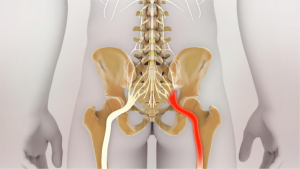
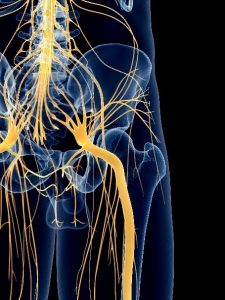
Sciatica is not a condition, but a pattern of symptoms caused by irritation or compression of the sciatic nerve. The sciatic nerve is the longest and thickest nerve in the body, running from the lower spine down the buttock, through the back of the thigh, and into the foot.
If the nerve is pinched, compressed, inflamed, or irritated at any point along this pathway, it can produce pain anywhere from the lower back to the toes.
Common Symptoms of Sciatica
Sciatica can vary from mild discomfort to agonising pain. Typical symptoms include:
- Lower-back pain (dull or sharp)
- Pain radiating into the buttock or down the leg
- Burning or shooting pain in the thigh or calf
- Tingling, pins and needles, or numbness
- Weakness in the leg or foot
- Difficulty standing up straight
- Worsening pain when sitting, bending, or coughing
Some people experience constant symptoms, while others have sudden, severe flare-ups.
Why Sciatica Becomes a Serious Problem
Sciatica can quickly interfere with your daily life. Simple tasks like tying your shoes, sitting at work, or walking upstairs can become difficult or impossible. If untreated, sciatica may lead to:
- Chronic pain cycles
- Loss of mobility
- Muscle weakness
- Reduced quality of life
- Sleep disturbance
- Compensation injuries in hips, knees, or upper back
Because the sciatic nerve controls both movement and sensation, long-term compression can cause lasting weakness — which is why early assessment and treatment are essential.
The Main Causes of Sciatica
At Buxton & Bakewell Osteopathy Clinic, our first priority is determining the true cause of sciatica. Treating symptoms alone rarely leads to long-term recovery — the underlying issue must be identified and corrected.
Here are the most common causes:
- Herniated (Slipped) Disc
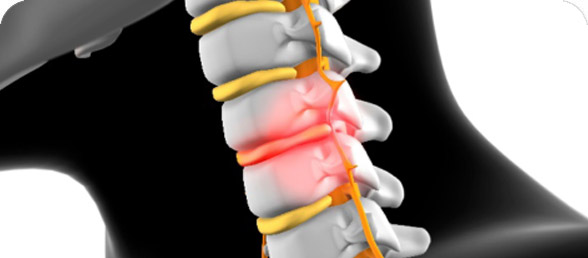
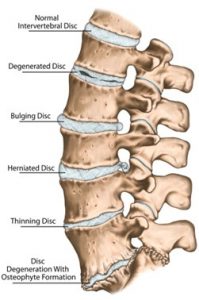
The most frequent cause of sciatica is a disc herniation, where the soft inner gel of the disc pushes outwards, irritating a nerve root. This often happens after bending, lifting, prolonged sitting, or sudden twisting movements.
Symptoms often include:
- Sharp leg pain
- Sudden onset
- Numbness or weakness
- Pain worse when sitting
This type of sciatica responds particularly well to non-surgical spinal decompression approaches and targeted osteopathy.
- Degenerative Disc Disease
As we age, spinal discs naturally lose hydration and height. This reduces the space available for nerves to pass through, leading to irritation and inflammation. Degeneration can cause chronic, recurring sciatica that fluctuates in intensity.
 3. Spinal Stenosis
Spinal stenosis occurs when the spinal canal or nerve exit holes narrow, placing pressure on the nerve roots. It is more common in older adults and often causes pain when standing or walking that improves with sitting or leaning forward.
- Piriformis Syndrome
The piriformis is a deep muscle in the buttock. If it tightens, spasms, or becomes inflamed, it can compress the sciatic nerve beneath it. This can mimic symptoms of nerve root compression even when the spine is structurally healthy.
- Sacroiliac Joint Dysfunction
The sacroiliac joints (SI joints) connect the spine to the pelvis. Irritation or misalignment here can cause pain that radiates into the buttock and leg, closely resembling sciatica.
- Pregnancy
During pregnancy, hormonal changes and shifts in posture can increase pressure on the lower back and sciatic nerve.
- Poor Posture & Sedentary Lifestyles
Long periods of sitting, weak core muscles, and repetitive strain can all contribute to sciatic irritation. Many modern patients experience sciatica simply due to lifestyle and posture.
Why Sciatica Hurts So Much
The sciatic nerve carries both movement signals and sensation. When compressed, it sends pain along the entire nerve pathway. Because this nerve is large and supplies major muscle groups, pressure on it creates intense, widespread symptoms.
In addition:
- Muscles surrounding the area often go into spasm
- Local inflammation builds
- Nerve irritation becomes hypersensitive
- Pain can travel far from the source
Without proper treatment, the nerve remains irritated, becoming increasingly reactive — turning a small issue into a major one.
How Buxton & Bakewell Osteopathy Clinic Assesses Sciatica
Our clinics are recognised for delivering some of the most thorough spinal assessments in the region.
A typical consultation includes:
- Detailed medical history
- Postural and biomechanical analysis
- Orthopaedic testing
- Neurological testing (reflexes, sensation, strength)
- Assessment of disc mobility
- Nerve tension testing
- Gait and movement evaluation
If we suspect a disc problem or significant compression, we may advise MRI imaging for clearer insight. The accuracy of our assessments is one of the reasons we are widely trusted for sciatica diagnosis.
How We Treat Sciatica: Targeted, Effective, and Personalised Care
Sciatica treatment must be tailored to the specific cause. A one-size-fits-all approach does not work, especially for disc-related cases.
At Buxton & Bakewell Osteopathy Clinic, we use a combination of:
⭐ 1. Osteopathic Treatment
Osteopathy helps by:
- Reducing pressure on the sciatic nerve
- Improving spinal mobility
- Releasing muscle spasm
- Improving circulation
- Correcting alignment issues
- Improving posture
- Relaxing irritated soft tissues
Our osteopaths use safe, targeted techniques based on the exact cause of symptoms.
⭐ 2. Advanced Non-Surgical Treatment Options
One of the reasons our clinic is regarded as a regional specialist for sciatica is the availability of advanced technology rarely found in standard clinics.
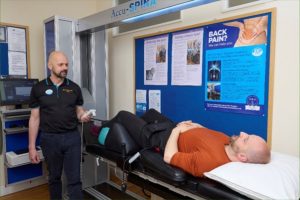
IDD Therapy (Intervertebral Differential Dynamics)
Specialised spinal decompression for disc-related sciatica
IDD Therapy is one of the most effective non-surgical treatments for:
- Herniated discs
- Bulging discs
- Degenerative disc disease
- Chronic sciatica
- Nerve compression
This treatment gently and precisely decompresses the affected spinal segment, creating space to relieve nerve pressure and promote healing.
Benefits include:
- Reduced nerve irritation
- Improved disc hydration
- Better mobility
- Decreased inflammation
- Relief from chronic pain
- Reduced need for injections or surgery
Buxton & Bakewell Osteopathy Clinic is one of the few clinics in Derbyshire offering this safe, effective therapy.
⭐ 3. Rehabilitation & Strengthening
To prevent recurrence, our rehabilitation plans target:
- Core strength
- Hip stability
- Glute activation
- Flexibility
- Postural correction
- Movement patterns
These exercises are essential to stabilise the spine and protect against future flare-ups.
⭐ 4. Lifestyle & Ergonomic Guidance
We offer advice on:
- Sitting posture
- Desk and workplace setup
- Sleep positions
- Safe lifting techniques
- Daily movement habits
Small changes can make a huge difference in preventing long-term nerve irritation.
Why We Are a Leading Expert Clinic for Sciatica in Derbyshire
Patients choose Buxton & Bakewell Osteopathy Clinic because we offer:
✔ Highly skilled osteopaths with years of spinal expertise
✔ One of the few local centres with advanced IDD Therapy
✔ Comprehensive, accurate spinal assessments
✔ Personalised treatment plans tailored to the cause
✔ Holistic approach including rehab, hands-on care, and lifestyle support
✔ Outstanding patient satisfaction and trusted local reputation
We combine the hands-on expertise of osteopathy with the precision of modern technology — giving our patients the best possible chance of long-term recovery.
When to Seek Urgent Help
While most cases of sciatica can be treated safely in our clinic, urgent medical attention is needed if you experience:
- Loss of bowel or bladder control
- Numbness around the inner thighs/groin
- Severe or rapidly worsening weakness
These could indicate cauda equina syndrome, a medical emergency.
Start Your Recovery Today
Whether your sciatica is recent or long-standing, the right treatment can make all the difference. At Buxton & Bakewell Osteopathy Clinic, we specialise in diagnosing and treating sciatica safely, effectively, and without surgery.
Let our expert team help you regain movement, reduce pain, and return to the life you love.
📍 Buxton & Bakewell Osteopathy Clinic
📞 01298 214994