Understanding Meniscus (or Cartilage) Tears: Anatomy, Causes & Symptoms
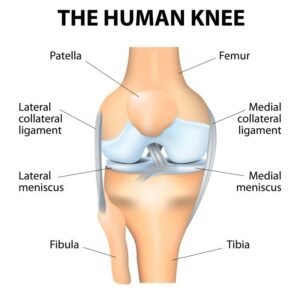
The knee is an incredible joint, designed to support your weight while allowing movement in multiple directions. Central to its function are two C-shaped pieces of cartilage called the menisci — one on the inside (medial) and one on the outside (lateral) of your knee joint. These tough, rubbery cartilages act as shock absorbers, distribute forces across the joint, and help stabilise the knee during everyday activities.
A meniscus tear happens when this cartilage ruptures or splits — often due to twisting movements, repetitive loading, or degeneration over time. In younger adults and athletes, a meniscus tear commonly occurs with twisting or pivoting on a bent knee. In older adults, the cartilage may weaken with age, making even simple movements enough to cause tearing.
Common Causes
-
Twisting or rotating the knee while bearing weight
-
Sudden change in direction (e.g., during sport)
-
Direct impact or trauma
-
Degenerative wear due to ageing and osteoarthritis

Typical Symptoms
People with meniscus tears usually experience:
-
Pain deep inside the knee joint, often along the inner or outer edge
-
Swelling and stiffness of the knee
-
A catching, clicking, or “locking” sensation
-
Difficulty fully straightening or bending the knee
-
Tenderness when pressing along the joint line
-
Instability or the knee feeling like it may “give way”
These symptoms can vary in severity and may present suddenly after an acute injury or more gradually in degenerative cases.
Why Early Expert Assessment Matters in Buxton & Bakewell
Meniscus tears can range from minor strains that may improve over time, to more complex tears that limit function and cause chronic pain. Untreated or poorly managed meniscus injuries can contribute to long-term knee problems, including accelerated joint wear and early osteoarthritis.
At Buxton Osteopathy Clinic and our Bakewell clinic, expert assessment starts with a detailed history and physical examination tailored to your symptoms, lifestyle and goals.
We use evidence-based diagnostic techniques to determine the severity of your tear and which tissues are affected — information that is essential for developing an effective treatment plan. Early and accurate assessment sets the stage for better outcomes, quicker recovery and reduced risk of future damage.
Traditional Treatments for Meniscus Tears
Once diagnosed, treatment options generally fall into two categories:
1. Conservative (Non-Surgical) Care
-
Activity modification and rest
-
Targeted physiotherapy or osteopathy
-
Bracing or external support
-
Anti-inflammatory therapies
-
Guided rehabilitation exercises
Conservative care aims to reduce pain, improve joint mobility, and strengthen surrounding muscles. For many degenerative tears or minor injuries, this can be highly effective.
2. Surgical Options
In cases where symptoms persist or the tear is severe, a surgeon may recommend arthroscopic repair or trimming of the torn meniscus. However, surgery carries inherent risks, longer recovery times and isn’t always superior to conservative care — especially for degenerative tears in older adults.

Focused Shockwave Therapy: Advanced, Non-Surgical Healing
At Buxton & Bakewell Osteopathy, one of the most powerful tools we use in treating meniscus tears is Focused Shockwave Therapy — a cutting-edge, non-surgical treatment option that’s designed to stimulate the body’s own healing processes.
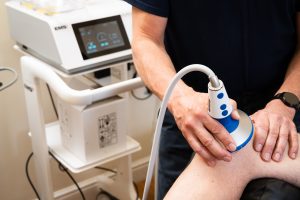
What Is Focused Shockwave Therapy?
Shockwave Therapy (also called Extracorporeal Shockwave Therapy or ESWT) uses high-energy acoustic waves to trigger healing in injured tissues. These waves increase blood flow, promote cell regeneration, reduce pain and help break down scar tissue — all without incisions, injections or anaesthesia.
How Focused Shockwave Helps in Meniscus Tears
While traditionally used for tendinopathies, there’s growing evidence and clinical success supporting Shockwave Therapy as an adjunctive treatment for meniscus pain and degeneration. Shockwaves:
-
Stimulate repair in low-blood-supply regions of the meniscus
-
Reduce pain and inflammation
-
Improve mobility and function
-
Accelerate recovery timelines
-
Help avoid the need for more invasive procedures
Focused Shockwave can target deeper structures within the knee with precision, making it especially suitable for stubborn meniscal issues.
The Buxton & Bakewell Shockwave Advantage
Our clinics are unique in Derbyshire for offering both Radial and Focused Shockwave Therapy, allowing us to tailor treatments precisely to your problem. Whether you’re managing a chronic degenerative tear or recovering from a recent injury, we can customise your Shockwave program to target your condition effectively.
Why Our Patients Choose Us
-
We’ve delivered advanced shockwave treatments since 2017 with excellent outcomes.
-
Experienced clinicians combine Shockwave with expert hands-on osteopathy, rehab and exercise guidance.
-
Our approach prioritises recovery, function, and long-term joint health.
-
Located centrally in Buxton and Bakewell with flexible appointments.
Shockwave sessions are generally well tolerated and may provide noticeable improvement within a few treatments. Our team will guide you on session frequency and strength based on your individual needs, ensuring comfort and safety throughout your journey.
Evidence-Based & Patient-Centred Care
Shockwave Therapy is one of the most researched non-invasive modalities for musculoskeletal conditions, showing successful treatment rates up to around 90% in appropriate cases and gaining support in clinical guidance.
At Buxton & Bakewell Osteopathy, we integrate this advanced technology with a deep understanding of biomechanics, rehabilitation and long-term health. Our goal isn’t just temporary pain relief — it’s lasting improvement.
A Typical Treatment Journey with Us
-
Comprehensive Initial Assessment
We’ll review your history, symptoms, activity levels and goals. -
Personalised Plan
A tailored treatment strategy combining Shockwave Therapy with hands-on osteopathy and functional rehabilitation. -
Focused Sessions
Regular Shockwave sessions are scheduled, with ongoing feedback and adjustment. -
Rehabilitation & Strengthening
Guided exercises to stabilise the knee, improve range of motion, and reduce re-injury risk. -
Review & Progress Monitoring
We’ll track your improvements and adapt care for optimal recovery.
Frequently Asked Questions
Is Shockwave Therapy Painful?
Most patients experience mild discomfort during treatment, but it is generally well tolerated. We customise intensity based on your comfort level.
Can Shockwave Be Combined With Other Treatments?
Yes — combining Shockwave with osteopathy and rehabilitation exercises often enhances recovery outcomes.
How Many Sessions Will I Need?
It depends on the severity of your condition and how your body responds. Many people feel improvement within a few sessions.
Trusted Local Specialists in Knee Care
If you’re experiencing persistent knee pain, swelling, stiffness, or instability — especially after an injury or repetitive stress — don’t let it slow you down. Buxton Osteopathy Clinic and our Bakewell clinic are here to help.
With decades of combined experience, advanced Shockwave Therapy, and a patient-focused approach, we’re your first choice for expert meniscus tear care in Derbyshire.
📞 Call us today at 01298 214994 or book an appointment online to start your recovery with trusted clinicians who care about your long-term health.