Knee pain around the kneecap (the patella) is one of the most frequent reasons people visit our osteopathy clinics in Buxton and Bakewell. Whether you’re an active runner dealing with front-of-knee pain or someone whose symptoms have developed gradually over months, understanding the underlying causes and the best treatment options is key to lasting recovery.
At Buxton & Bakewell Osteopathy Clinic, we specialise in advanced, evidence-based treatments, including Shockwave Therapy, a powerful non-invasive option for patella-related injuries that many conventional approaches struggle to resolve. Here’s your guide to common kneecap issues and how we help patients get back to pain-free movement.
1. What Is Kneecap (Patella) Pain?
Your kneecap (or patella) sits at the front of your knee and helps transfer force when your quadriceps muscle contracts — making it essential for walking, running, squatting and stair-climbing. Because it’s involved in almost every lower-limb movement, even small alignment or soft-tissue issues can lead to significant discomfort.
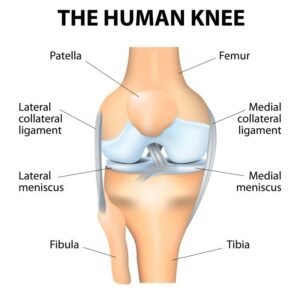
Patella pain isn’t always caused by a single factor and pinpointing the exact cause can be challenging. Factors that commonly contribute include:
-
Patellofemoral pain syndrome. Irritation of the joint between the kneecap and thigh bone, often due to altered tracking or muscle imbalance.
-
Patellar tendinopathy (jumper’s knee). Overuse of the patella tendon, especially in jumping sports.
-
Cartilage damage (chondromalacia). Wear of the cartilage under the kneecap, leading to grinding and inflammation.
-
Patellar subluxation / instability. The kneecap partially dislocates out of its normal groove, causing pain and mechanical symptoms.
-
Bursitis or soft-tissue irritation. Inflammation of bursae near the kneecap.
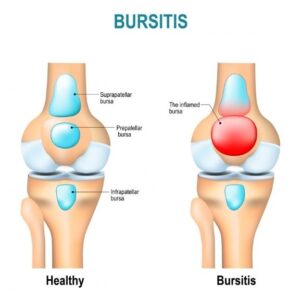
Some of these conditions are related to biomechanics and muscle coordination, while others arise from repetitive activity, biomechanical imbalances, or structural alignment issues.
2. Symptoms You Shouldn’t Ignore
Symptoms vary depending on the specific problem, but common signs include:
-
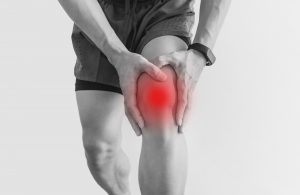
Pain around the front or behind the kneecap
-
Pain during activities such as climbing stairs, squatting, kneeling or running
-
“Grating” or “clicking” sensations under the kneecap
-
Tenderness to touch around the patella
-
Swelling around the kneecap after activity
If this pain interferes with daily life or persists for more than a few weeks despite rest, it’s important to seek a professional assessment — especially to avoid progression into chronic issues.
3. Why Seeking Expert Treatment Matters
People often try to “live with” kneecap pain, hoping it will settle on its own. However, without proper diagnosis and targeted intervention, symptoms can worsen, leading to long-term joint changes or compensatory problems in the hip or ankle.
At Buxton & Bakewell Osteopathy Clinic, we take a comprehensive approach:
✔ Full musculoskeletal assessment to find root causes from alignment and gait to muscle imbalances.
✔ Biomechanical analysis to understand how your knee moves and tracks during activity.
✔ Individualised treatment plans that combine manual osteopathy with cutting-edge technologies such as Shockwave Therapy.
Our priority isn’t just temporary pain relief it’s restoring robust, pain-free movement and reducing the risk of recurrence.
4. Gold-Standard Treatment: Shockwave Therapy in Buxton & Bakewell
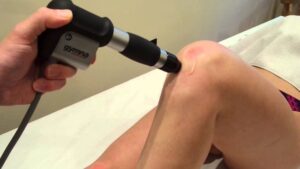
When conventional treatments like rest, stretching or simple physiotherapy don’t provide adequate relief, many patients benefit from Shockwave Therapy (also known as extracorporeal shockwave therapy or ESWT). This treatment is increasingly supported by research for treating chronic tendon and joint issues including patella-related problems.
How Shockwave Therapy Works
Shockwave Therapy uses controlled acoustic pressure waves delivered through the skin to the affected tissue. These waves:
-
Increase blood flow to poorly-perfused areas
-
Stimulate cellular repair and regeneration
-
Break down scar tissue and calcification
-
Trigger a beneficial inflammatory healing response
This facilitates natural healing in tissues that struggle to repair themselves, particularly chronic tendinopathies and stubborn knee pain.
Why This Matters for Kneecap Pain
For conditions such as patellar tendinopathy and patellofemoral pain, Shockwave Therapy offers several advantages:
-
Non-invasive; no needles, injections, or surgery required.
-
Well-tolerated; most patients feel only mild discomfort during treatment.
-
Rapid results; many patients experience significant improvement after just 3–4 sessions.
-
Avoids surgery; a strong alternative for those who want to prevent invasive interventions.
Shockwave Therapy is one of the most researched modalities for soft-tissue injuries and is increasingly recognised as a frontline option for stubborn conditions that don’t respond to other treatments.
5. Other Effective Treatment Components
While Shockwave Therapy is a powerful tool, we often combine it with:
Manual Osteopathy
Hands-on techniques to restore joint mobility, reduce tension in surrounding tissues, and improve overall knee mechanics.
Rehabilitation & Strengthening
Guided exercises that target the quadriceps, hamstrings, and hip muscles — essential for optimal patellar tracking and reducing pressure on the knee.
Gait & Biomechanical Advice
Correcting patterns during walking, running or sport to reduce uneven forces on the kneecap.
Footwear & Orthotic Guidance
Often underestimated, footwear and foot biomechanics influence patella alignment and tracking significantly.
6. When Should You Seek Professional Help?
Seek assessment at our Buxton or Bakewell clinics if you experience:
-
Persistent kneecap pain not responding to rest
-
Difficulty climbing stairs or squatting
-
Pain during sports or repetitive activity
-
A feeling of instability or “giving way”
-
Pain that wakes you at night
The sooner you address symptoms, the better your chances of avoiding chronic issues and achieving a full recovery.
7. Why Choose Buxton & Bakewell Osteopathy Clinic?
At both our Buxton and Bakewell locations, patients benefit from:
-
Experienced osteopaths trained in advanced musculoskeletal care
-
Gold-standard Shockwave Therapy
-
Personalised, evidence-based treatment plans
-
A focus on sustainable, long-term results
We have helped hundreds of local patients overcome knee pain and return to the activities they love — whether that’s walking the Peak District, cycling, running or just playing with the kids.
8. Take the First Step Towards Pain-Free Movement
Don’t let kneecap pain limit your life. If you’re based in Buxton, Bakewell, or the surrounding Derbyshire area and struggling with anterior knee pain, patellar discomfort or tendon issues, we’re here to help.
📞 Call Buxton & Bakewell Osteopathy Clinic to book your assessment and find out if Shockwave Therapy could be the answer for you — expert relief that’s non-invasive, highly effective, and tailored to your needs.