Heel pain is one of the most common musculoskeletal problems with many patients coming from Derbyshire, the Peak District, Buxton, Bakewell, and South Manchester which is why we have the Buxton Heel Care Program. For many people, the discomfort starts gradually, often worse in the morning or after periods of rest. If this sounds familiar, there’s a good chance you may be experiencing plantar fasciitis, the leading cause of heel pain in adults.
While plantar fasciitis can be stubborn, the good news is that highly effective, non-invasive treatments are now available. One of the most proven and advanced options is Focused Shockwave Therapy, increasingly considered a first-line solution for persistent heel pain. At our clinic, many patients experience significant improvement even after just a few sessions.
This guide explains the common causes of heel pain, what plantar fasciitis actually is, why it develops, and how Focused Shockwave Therapy can help you recover faster and return to normal activity with confidence.
Understanding Heel Pain: Why It Happens
Heel pain can arise from several different issues, but the majority of cases are linked to a combination of overload, poor biomechanics, and irritation of the tissues that support the arch of the foot. The heel absorbs enormous force every day, especially during walking, running, sports, and standing for long periods.
The Most Common Causes of Heel Pain Include:
-
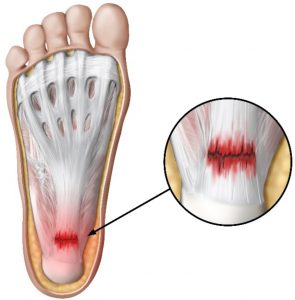
Plantar fasciitis – irritation and micro-tearing of the plantar fascia (over 80% of heel-pain cases)
-
Heel spurs – bony growths often found alongside plantar fasciitis
-
Achilles tendinopathy – affecting the tendon at the back of the heel
-
Fat pad atrophy – reduced cushioning under the heel
-
Nerve entrapment – irritation of nerves supplying the heel
-
Stress fractures – rare, usually from high-load sports
Of these, plantar fasciitis is by far the most frequent.
What Is Plantar Fasciitis?
The plantar fascia is a strong, fibrous band of tissue running along the bottom of the foot, connecting the heel bone to the toes. Its job is to support your arch, absorb shock, and help maintain the mechanics of your gait.
When the plantar fascia is overstretched, overloaded, or repeatedly stressed, it can become inflamed — a condition known as plantar fasciitis.
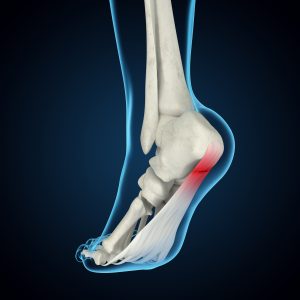
Key Symptoms Include:
-
Sharp or stabbing pain in the heel
-
Pain with the first few steps in the morning
-
Pain after long periods of sitting
-
Discomfort during walking, running, or after standing all day
-
Tenderness on the underside of the heel
If you live around Buxton, Bakewell, Hope Valley, or South Manchester, you may notice symptoms worsen on steep hills or long walks (something very common in our local landscapes).
Why Does Plantar Fasciitis Develop?
Several factors can contribute to plantar fasciitis, especially in active adults and those spending long hours on their feet.
Common Risk Factors
-
Sudden increase in activity levels (e.g., longer walks, starting the gym)
-
Poor footwear or worn-out shoes
-
Tight calf muscles or Achilles tendon
-
Flat feet or high arches
-
Hard or uneven walking surfaces
-
Being overweight
-
Occupations requiring long periods of standing
Local residents who enjoy hiking in the Peaks, playing sports, or working in healthcare, hospitality, teaching, or retail often find themselves at higher risk.
Why Heel Pain Doesn’t Always Improve on Its Own
Many people delay treatment, hoping their heel pain will simply go away. Unfortunately, plantar fasciitis can become chronic, lasting months or even years if not addressed properly. This happens because the plantar fascia receives limited blood supply, slowing the body’s natural healing process.
Over time, inflammation can turn into degeneration, where the tissue becomes weaker and more painful. This is why early and targeted treatment is important.
And this is exactly where Focused Shockwave Therapy stands out.
Focused Shockwave Therapy: A Breakthrough for Heel Pain Relief
Focused Shockwave Therapy is an advanced, non-invasive treatment that uses high-precision acoustic waves to stimulate healing in damaged tissues. Unlike radial shockwave machines found in many clinics, focused shockwave penetrates deeper and targets the injured area with much greater accuracy, making it ideal for stubborn plantar fasciitis.
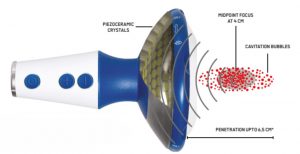
How Does It Work?
Focused shockwaves help by:
-
Stimulating blood flow to repair damaged fascia
-
Breaking down scar tissue and adhesions
-
Triggering cellular regeneration
-
Reducing inflammation and pain
-
Improving mobility and walking comfort
In simple terms:
It re-starts a stalled healing process and accelerates tissue repair.
Why Patients in Derbyshire & the Peak District Choose Focused Shockwave Therapy
1. Highly Effective for Chronic Plantar Fasciitis
Numerous clinical studies show significant improvement in 70-90% of patients, even when other treatments have failed.
2. Fast Pain Reduction
Many patients feel relief within the first 1-2 sessions.
3. Non-Invasive and No Needles
There’s no downtime, no injections, and no medication necessary.
4. Ideal for Active Adults
Perfect for walkers, hikers, runners, and those who rely on being on their feet for work.
5. Deeper, More Precise Than Radial Shockwave
This is especially important for:
-
Long-standing heel pain
-
Severe morning pain
-
Fascia thickening or degeneration
What to Expect During Your Shockwave Treatment
Most patients describe the sensation as “intense but manageable.” Treatment typically lasts 15-20 minutes and is adjusted to your comfort level.
A Typical Treatment Plan Includes:
-
3–6 weekly sessions
-
A customised rehabilitation plan
-
Calf and foot mobility work
-
Gait and biomechanics assessment
-
Footwear guidance
We ensure every patient at our Derbyshire clinic receives a tailored approach, based on the severity of their symptoms and lifestyle demands.
Complementary Treatments That Support Shockwave Therapy
Focused Shockwave Therapy is highly effective on its own, but improvements are even faster when combined with:
1. Hands-on Osteopathic Treatment
To reduce tightness in the calves, Achilles tendon, and surrounding tissues.
2. Targeted Rehab Exercises
To improve foot strength and arch support.
3. Orthotics or Insole Advice
Helpful for flat feet, high arches, or alignment issues.
4. Activity Modification
Gradually returning to walking, running, and hill climbing without flare-ups.
How Long Until You Feel Better?
Most patients notice:
-
Reduced morning pain within 2-3 sessions
-
Improved walking comfort within a few weeks
-
Full recovery over 4-8 weeks, depending on severity
Chronic cases may take slightly longer, but the majority of patients report long-lasting relief when following the full treatment plan.
Who Is Shockwave Therapy Suitable For?
Focused Shockwave Therapy is ideal for:
-
Plantar fasciitis lasting more than 6 weeks
-
Heel pain impacting walking or daily activity
-
Runners and hikers with recurring flare-ups
-
Patients who have tried other treatments without success
-
People wanting a non-invasive alternative to injections
It is not suitable for people who are pregnant, have nerve disorders in the foot, or have certain medical conditions — but we assess this during your consultation.
Local Expertise: Heel Pain Treatment Near You
If you’re searching for:
-
Plantar fasciitis treatment in Buxton or Bakewell
-
Shockwave therapy in Derbyshire or the Peak District
-
Heel pain treatment near South Manchester
-
Non-invasive treatment for heel spurs or foot pain
…our clinic provides expert assessment and access to advanced Focused Shockwave Therapy under the care of experienced osteopathic practitioners.
Patients travel to us from:
-
Buxton
-
Bakewell
-
Hope, Castleton & Edale
-
Chapel-en-le-Frith & Whaley Bridge
-
Matlock & surrounding villages
-
Stockport, Hazel Grove & South Manchester
You do not need a GP referral.
Don’t Let Heel Pain Limit Your Life
Whether you enjoy hiking, running, sports, or simply want to walk without discomfort, you don’t have to put up with heel pain. Plantar fasciitis is highly treatable, and Focused Shockwave Therapy is one of the fastest, safest, and most effective ways to recover.
If heel pain is affecting your daily life, now is the perfect time to take control.
Book Your Assessment
📍 Buxton & Bakewell Osteopathy Clinic
📞 01298 214994
🌐 www.buxtonosteopathy.co.uk
💬 Friendly, expert care for patients across Derbyshire, the Peak District & South Manchester.