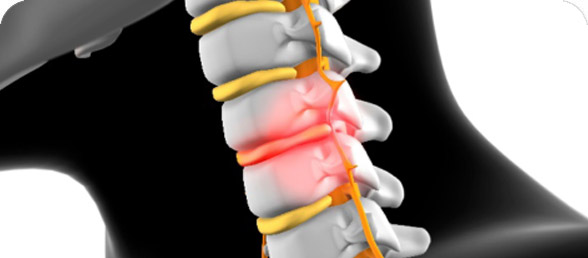
We have been doing headache and migraine treatment at Buxton and Bakewell for 20 years. Headaches and migraines are among the most common neurological and musculoskeletal complaints we see at Buxton & Bakewell Osteopathy Clinic. For many people across Buxton, Bakewell, the High Peak and wider Derbyshire, recurring headaches can significantly affect work, sleep, concentration and overall quality of life. Headaches of this type are called cervicogenic headaches because the origin is from the neck (or cervical spine). These headaches typically feel like a dull squeezing pressure or aching on both or one side of your head. These are typically tension or neck related as seen below amongst other classifications of headache.
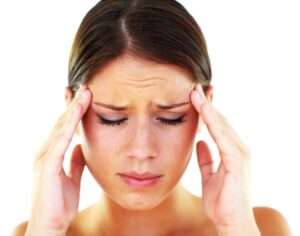
Headaches and migraines are among the most common neurological and musculoskeletal complaints we see at Buxton & Bakewell Osteopathy Clinic. For many people across Buxton, Bakewell, the High Peak and wider Derbyshire, recurring headaches can significantly affect work, sleep, concentration and overall quality of life.
While medication may provide temporary relief, it often fails to address the underlying mechanical causes of headaches — particularly those originating from the neck, posture and muscular tension. This is where professional osteopathy offers a highly effective, natural and long-term solution.
In this comprehensive guide, we explain:
-
The different types of headaches and migraines
-
Common causes linked to the neck and posture
-
Why headaches are often musculoskeletal
-
How osteopathy can help relieve headaches naturally
-
When to seek professional treatment in Buxton or Bakewell
Understanding Headaches and Migraines
Headaches are not all the same. In clinical practice, we commonly see three main categories:
Tension-Type Headaches
These are the most common headaches and are often described as a tight band or pressure around the head. They frequently originate from muscular tension in the neck, shoulders and upper back.
Cervicogenic Headaches
These headaches originate from dysfunction in the cervical spine (neck joints, discs and muscles). Many patients are surprised to learn that their headaches actually begin in the neck.
Migraines
1. Prodrome symptoms. A few hours before a migraine you may feel tired and uneasy. Your sense of taste and smell may be affected.
2. Aura. Up to 1 hour before the headache starts, you may experience flashing lights, black spots or other visual problems.
3. Headache. A throbbing or pounding pain on both sides of the head, often with nausea and vomiting. You may be very sensitive to light, sounds and smells.
4. Postdrome symptoms. After your headache you will feels tired and achy. Recovery time will vary from person to person.
It is difficult to pinpoint trigger factors generally as each patient’s experience is often unique.
Osteopaths can help with some of the triggering issues and we can relief tension. We typically look at postural mechanics and aim to release the areas that are likely to contribute to the intensity of a migraine such as the head and neck anatomy, upper back and TMJ (or your jaw).
Migraines are more complex neurological headaches that may include:
-
Throbbing pain
-
Sensitivity to light or sound
-
Nausea
-
Visual disturbances (aura)
Migraines affect a significant portion of the population and can be severely disabling, particularly in working-age adults.

The Strong Link Between Neck Pain and Headaches
One of the most overlooked causes of chronic headaches is dysfunction in the neck and upper back. Poor posture, stress and repetitive strain can overload the cervical spine and surrounding soft tissues, leading to pain that radiates into the head.
In fact, many headaches are caused by musculoskeletal tension in the neck and upper back, which osteopathy is specifically trained to treat.
Common neck-related headache triggers include:
-
Prolonged desk work
-
Poor workstation ergonomics
-
Mobile phone use (“tech neck”)
-
Stress-related muscle tension
-
Previous whiplash injuries
-
Poor sleeping posture
For residents in Buxton, Bakewell and surrounding Derbyshire towns who work in office-based or sedentary roles, posture-related headaches are increasingly common.
What Causes Headaches and Migraines?
1. Muscular Tension and Stress
Stress is one of the biggest triggers for headaches and migraines. Chronic tension in the neck and shoulder muscles can restrict movement and increase pressure on surrounding nerves and joints. Stress is closely linked to migraine onset in many individuals, creating a cycle of tension and pain.

2. Poor Posture and Modern Lifestyles
Long hours sitting at desks, driving or using screens place sustained strain on the cervical spine. Over time, this can lead to joint stiffness, muscle tightness and tension headaches.
3. Joint Dysfunction in the Cervical Spine
Restricted movement in the upper neck joints can refer pain directly into the head, temples and behind the eyes.
4. Jaw (TMJ) Dysfunction
Jaw tension and teeth grinding can contribute to chronic headaches and migraines, particularly around the temples and forehead.
5. Previous Injuries
Old injuries such as whiplash, sports trauma or falls can alter biomechanics and lead to recurring headaches years later.

Symptoms Associated with Neck-Related Headaches
Patients attending our Buxton and Bakewell clinics often report:
-
Dull, aching pain at the base of the skull
-
Headaches that worsen after computer use
-
Pain radiating from neck to forehead or temples
-
Stiff neck and reduced mobility
-
Shoulder tension and tightness
-
Morning headaches
-
Headaches triggered by stress or posture
Migraines may additionally include visual aura, nausea and sensitivity to light and sound, which can be highly disruptive to daily life.
Why Painkillers Alone Are Not the Long-Term Solution
While over-the-counter medication may reduce symptoms temporarily, it does not correct:
-
Joint restrictions
-
Muscle tension
-
Postural imbalances
-
Cervical spine dysfunction
This is why many patients experience recurring headaches despite regular medication use. A structural and holistic approach is often required to achieve lasting relief.
How Osteopathy Helps Headaches and Migraines
Osteopathy focuses on identifying and treating the root mechanical cause of headaches rather than simply masking symptoms.
At Buxton & Bakewell Osteopathy Clinic, treatment is tailored to each patient following a detailed assessment of posture, movement, lifestyle and medical history.
Key Benefits of Osteopathy for Headaches
-
Reduces muscular tension in the neck and shoulders
-
Improves joint mobility in the cervical spine
-
Enhances blood flow and circulation
-
Relieves nerve irritation
-
Improves posture and biomechanics
-
Provides long-term, drug-free relief
Gentle joint mobilisation and soft tissue techniques are particularly effective for tension and cervicogenic headaches.
Our Osteopathic Approach for Headache & Migraine treatment at Buxton & Bakewell
1. Comprehensive Consultation
Your first appointment includes a full clinical history and physical examination to determine whether your headaches are musculoskeletal, neurological or mixed in origin.
2. Postural and Biomechanical Assessment
We assess:
-
Neck mobility
-
Shoulder mechanics
-
Spinal alignment
-
Work and lifestyle factors
3. Hands-On Osteopathic Treatment
Treatment may include:
-
Gentle joint mobilisation
-
Soft tissue release
-
Myofascial techniques
-
Cranial osteopathic techniques (where appropriate)
4. Personalised Rehabilitation Advice
We provide tailored exercises, ergonomic guidance and lifestyle strategies to prevent recurrence.
Advanced Treatment Options Available at Our Clinics
At Buxton & Bakewell Osteopathy Clinic, we combine traditional hands-on osteopathy with advanced therapies for optimal results.
Laser Therapy for Headaches and Migraines
Low Level Laser Therapy (LLLT) can help reduce inflammation, promote healing and support recovery in chronic headache conditions, including TMJ-related headaches and migraines.
Integrated Treatment Approach
Many patients benefit from a combination of:
-
Osteopathy
-
Postural correction
-
Soft tissue therapy
-
Laser therapy (where clinically appropriate)
This integrated approach helps achieve faster and more sustainable outcomes.
Migraines: A More Complex Condition
Migraines differ from standard tension headaches and involve neurological processes. Research suggests migraines are linked to complex brain activity changes and stress responses, which may explain why they can be triggered by lifestyle factors, tension and environmental stress.
Although osteopathy does not “cure” migraines, it can significantly help by:
-
Reducing musculoskeletal triggers
-
Improving neck function
-
Decreasing stress-related tension
-
Supporting overall nervous system balance
Why Choose Osteopathy at Buxton or Bakewell Osteopathy Clinic?
Choosing a local osteopath ensures:
-
Faster access to expert assessment
-
Continuity of care
-
Personalised treatment plans
-
Ongoing support and rehabilitation
Our clinics proudly serve patients across:
-
Buxton
-
Bakewell
-
Matlock
-
High Peak
-
Derbyshire
-
Peak District
We have built a strong reputation for treating complex chronic conditions, including persistent headaches, migraines and neck-related pain.
When Should You See an Osteopath for Headaches?
You should consider professional assessment if:
-
Headaches are recurring or worsening
-
Pain originates from the neck
-
Medication is no longer effective
-
You experience associated neck stiffness
-
Headaches interfere with work or sleep
-
You suffer from chronic migraines
Early intervention often leads to faster recovery and prevents long-term chronic pain patterns.
Preventing Headaches Naturally
Alongside osteopathic treatment, we recommend:
-
Improving workstation ergonomics
-
Taking regular screen breaks
-
Stretching the neck and shoulders
-
Managing stress levels
-
Maintaining good posture
-
Ensuring proper pillow and sleep support
These small changes can significantly reduce headache frequency over time.
Book Headache and Migraine Treatment in Buxton & Bakewell Osteopathy Clinic
If you are suffering from headaches or migraines in Buxton, Bakewell or the wider Derbyshire area, professional osteopathic treatment can help you find lasting relief.
At Buxton & Bakewell Osteopathy Clinic, we specialise in diagnosing and treating the underlying causes of headaches using safe, gentle and evidence-informed osteopathic care.
Our patient-focused approach aims to:
-
Reduce pain naturally
-
Restore movement
-
Improve quality of life
-
Prevent long-term recurrence
Start Your Journey to Headache Relief Today
Call 01298 214994 or book online to schedule your consultation at our Buxton or Bakewell clinic and discover how osteopathy can help you live a healthier, pain-free life.
Frequently Asked Questions About Headache & Migraine treatment Buxton and Bakewell Osteopathy Clinics
Can osteopathy help headaches?
Yes, osteopathy can be highly effective for many types of headaches, particularly those linked to neck tension, posture and musculoskeletal strain. At Buxton & Bakewell Osteopathy Clinic, we assess the neck, upper back, posture and muscle tension to identify the underlying cause of your headaches. Gentle hands-on osteopathic treatment aims to reduce tension, improve joint mobility and restore normal function, which can significantly reduce the frequency and intensity of headaches over time.
Are headaches caused by neck tension?
Many headaches are strongly linked to tension and dysfunction in the neck and upper back. These are often called cervicogenic or tension-type headaches. Poor posture, prolonged desk work, stress and previous neck injuries can all contribute to tight muscles and restricted joints in the cervical spine, which may refer pain into the head, temples or behind the eyes. Treating the neck and surrounding structures is often key to long-term headache relief.
Is osteopathy good for migraines?
Osteopathy can be beneficial for people who suffer from migraines, particularly when musculoskeletal triggers such as neck stiffness, stress and postural strain are contributing factors. While osteopathy does not claim to cure migraines, treatment may help reduce physical tension, improve neck function and support the body’s overall balance. Many patients report fewer and less severe migraine episodes when underlying mechanical triggers are addressed.
How many treatments are needed for chronic headaches?
The number of treatments varies depending on the cause, severity and duration of your headaches. Acute or posture-related headaches may improve within a few sessions, whereas chronic or long-standing headaches often require a structured treatment plan over several weeks. At our Buxton and Bakewell clinics, we create personalised care plans based on your assessment, response to treatment and lifestyle factors to achieve sustainable, long-term results.
Do osteopaths treat tension headaches?
Yes, osteopaths commonly treat tension headaches, which are one of the most frequent conditions seen in clinical practice. Tension headaches are often caused by tight muscles in the neck, shoulders and upper back, combined with stress and poor posture. Osteopathic treatment focuses on relieving muscular tension, improving spinal mobility and correcting postural imbalances, helping to reduce headache frequency and prevent recurrence naturally.